


When you're craving cookies, pizza, or quick bread, waiting for the oven to reach the right temperature can seem like an unnecessary delay. But it's often the step that makes the difference between a successful bake and a disappointing result. Preheating the oven isn't a formality, but a silent part of the process that directly affects the texture, color, and flavor of your dish.
Is there preheating? ovens really necessary? In the kitchen, we often assume that the oven will bake the perfect cake, no matter how we use it. We set the temperature, put the dish in, and count on the heat to do its thing. A Baking is not just a matter of time, but rather the conditions in which it begins. It is these initial conditions that often determine whether the result will be precise and repeatable or depend on luck.

Why accurate temperature is more important than it seems
Homemade ovens often do not reach the exact temperature indicated on the display. Some heat up more slowly, others heat up too quickly, and the heat can be unevenly distributed. That's why culinary experts often recommend using an oven thermometer, which allows better control over the actual conditions in the oven.
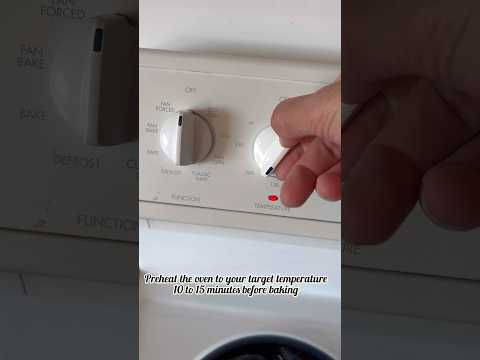
Once the oven reaches a stable temperature, baking proceeds predictably. Recipes are designed to start the process in an already heated environment. If this condition is not met, baking times, textures, and final flavors quickly deviate from the expected results.
What preheating the oven means for baking cookies, bread and pastries
When baking, the dough's first contact with heat is crucial. When cookies, biscuits or bread enter a heated oven, the leavening agents are activated immediately, the structure begins to stabilize, and the dough develops evenly. This results in properly risen biscuits, cookies that hold their shape, and bread with a balanced center.
If the dough enters the oven while it is still heating, it the process is delayed. Raising agents can lose some of their effectiveness before the structure has set, often leading to a splayed or flattened shape. The difference is also evident in the color and flavor, as the same level of caramelization does not occur without constant heat.

How preheating affects roasting vegetables and meat
When roasting vegetables and meat, many people think that preheating is not that important. Food will cook in a cold oven, but the result will be different. When food enters an already heated oven, the heat quickly seals the surface, which helps to retain juices on the inside and at the same time creates a nicely browned exterior.
With vegetables This means a more pronounced flavor and better texture, and for meat, juiciness and even cooking. If the oven is not preheated, the food begins to heat up gradually, which often leads to a softer surface and less pronounced aroma.

When can you skip preheating?
There are exceptions. For dishes that cook slowly and for a long time, such as roasts or slow-roasted meats, starting in a cold oven usually doesn't cause much of a problem. In these cases, gradual heating is actually beneficial, as it allows for more even and gentle cooking.
The same applies to warming up ready-made dishes, where the structure is no longer dependent on the initial heat shock. Some bread recipes even call for the container to be heated together with the oven, which is part of a proven technique.

