


Saline solution is one of those “little” things that you almost always have on hand somewhere – until you don’t have it right when you need it. And because it seems simple (it’s just water and salt, right?), many people mix it up at home on the fly, by feel, like they’re making soup. And with saline solution, it’s that “by feel” part that often makes the difference between a usable solution and a liquid that’s better left unused.
If you want it to be saline really useful for multiple purposes, it must be properly prepared, clean and stored wisely. This is not about dramatizing - it's about the fact that ratio, water and hygiene are more important than most people think. Below you will get a clear, homely explanation: how to make saline solution so that it is actually what its name promises.
The difference between what people imagine and what saline solution actually is is not negligible.
What is saline solution anyway?
Saline solution is aqueous sodium chloride solution, i.e. table salt, in a concentration similar to the salt concentration in the human body. Standard concentration is 0.9 percent, which is approximately nine grams of salt per liter of water. Because of this balance, the solution is generally well tolerated by the body and does not irritate tissues if prepared correctly.
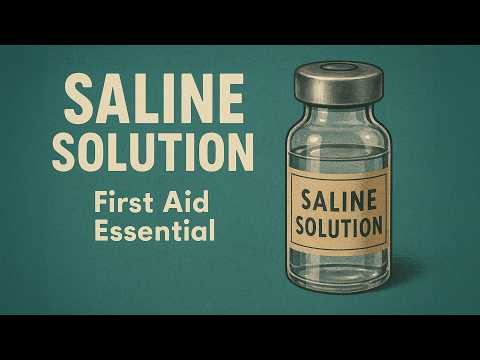
In medicine, it is used to rinse wounds, eyes, nose, to moisturize mucous membranes, or as a base fluid in various procedures. In the home environment It often appears as an aid for nasal congestion, basic hygiene, or gentle care.
Why precision in preparation is key
Saline solution is not just salt water. The ratio of salt to water must be precise, as too much salt can cause irritation, while too little means the solution will no longer be isotonic, i.e., body-friendly. That's why home preparation requires some basic knowledge and caution.
The most common mistake in home preparation, measurement is approximate, especially using spoons without weighing or using unsuitable water.

Home preparation process
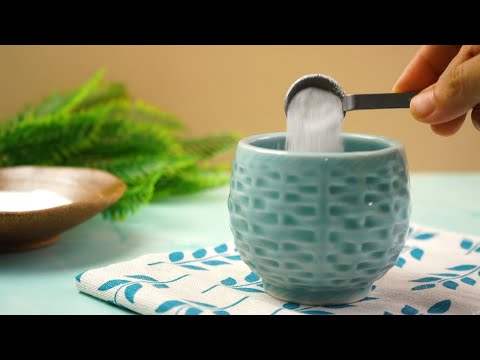
To prepare the saline solution, you need clean water and common table salt without additives. The water must be boiled and cooled, as this reduces the risk of the presence of microorganisms. On Approximately nine grams of salt is added to a liter of water, which is equivalent to one level teaspoon, but weighing is a more accurate option.

Salt should be in the water to dissolve completely. Solution It should be clear, without sediment. The preparation should be done in a clean container, and hands should be washed beforehand. Although the process is simple, it requires consistency and cleanliness.
Storage and expiration date
Homemade saline solution has no preservatives, so its the shelf life is not longIt is recommended to store it in a clean, closed glass container and in a cool place, preferably in the refrigerator. Even with proper storage, consumed within 24 hours, as the risk of bacterial proliferation increases over time.
If the saline solution changes odor, color, or becomes cloudy, is no longer suitable for use. If in any doubt, it is safer to prepare a new batch or use a purchased, sterile version from a pharmacy.
There is no room for approximations with saline.
