


Imagine a new manufacturer suddenly entering the automotive world, offering the performance of a Bugatti, the comfort of a Rolls-Royce, and the price of... well, the price of a cup of coffee at the gas station. And you wouldn't need a driver's license to drive this vehicle, just one finger and a bit of imagination. That's exactly what happened in the music industry. While the great dinosaurs were squabbling over copyright, Suno AI was going full throttle. Rick Beato, the music guru, says the race is already over. And you know what? I think he's right. Buckle up.
If I were Sun AI car, that would be it best-selling electric sports car, which no one knew they needed until they drove it. Let's look at the telemetry. If you open the App Store today and look at the list of most downloaded music apps, you'll find the usual suspects in the top three places: Spotify, YouTube Music, and Shazam. But in fourth place? That's where Suno parks.
The difference in “speed” between Sun and its main rival, the Udio platform, is downright brutal. This is not a race, this is a massacre:
- Suno: 141,000 user reviews (pure crowdfunding).
- Share: 1,200 ratings.
It's like comparing the sales figures of a Volkswagen Golf to those of a handmade bamboo bicycle. Rick Beato, who has a nose for these things, points out that the Suno won simply because the user experience is better. It's like a dual-clutch automatic transmission compared to a manual transmission that sticks. People want to drive, not read the manual.
According to the Wall Street Journal, the startup has raised $250 million (approx. €230 million) in investment and its annual revenue is already reaching $200 million (approx. €184 million). These are figures that would make many a sheet metal manufacturer blush.
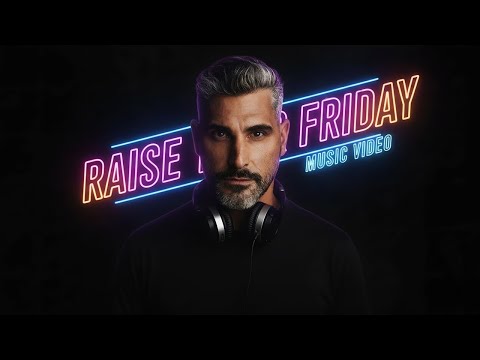
The author of this article created the song, including the AI-generated video, in just a few hours, as an example and the start of a "How" to series - videos on the topic of artificial intelligence.
When the big ones kneel: Partnership instead of lawsuit
Just a few months ago, major music labels viewed AI as rust on a bodywork—something to be cut out and destroyed. Now? Now they’ve realized they can’t stop that rust, so they’ve painted it over and called it “patina.”
Two key shifts have occurred in the “geopolitics” of music:
UMG (Universal Music Group) and Udio: They have reached a truce after a lawsuit. They will launch a new platform in 2026, trained on UMG's licensed catalog. Artists will be paid. Sounds fair, although we all know that, like with a car lease, the house (the record company) will take the lion's share.
Warner Music Group and Suno: Similar scenario. Warner figured out that if you can't beat a faster car, get in the passenger seat.
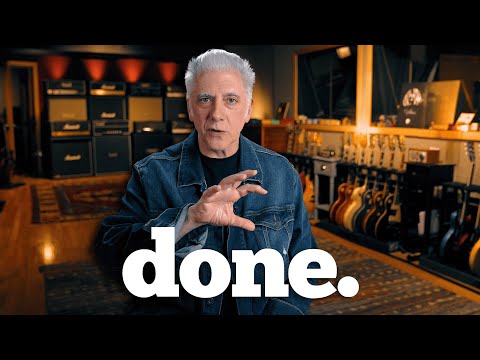
“Someday there will be Drake, and then there will be Drake AI. It will be on Apple Music. It will be on Spotify. People will embrace it. It’s the attention economy.” — Rick Beato
How does this work in practice?
This is where things get interesting. Suno isn't just used by kids in basements who want to create a death metal song about their hamster. It's used by professionals.
In Nashville, a city where songs are currency, songwriters use Suna instead of expensive studio musicians (which costs time and money). They throw their acoustic demo “ride” into the system, and it returns a fully produced arrangement with professional vocals. It’s like taking a dirty Yugo to the car wash and coming out polished. Mercedes S-Class.
Beato mentions a gentleman in his 70s, a poet who had written his whole life but had never heard his words set to music. Suno made that possible for him. And therein lies the magic of this technology. It's not about leaving art to robots because we're lazy. It's about giving those who don't have access to a studio, an orchestra or a band the keys to creation.
View this post on Instagram

New “Hooks” feature: TikTok on steroids?
Suno recently launched Hooks, a platform that combines short videos with AI-generated music. Sound familiar? Sure, it's TikTok, but powered by an AI nuclear reactor.
My daughter would probably say, “Dad, this is like TikTok, only boring.” But the numbers say otherwise. People are using it. Videos are getting hundreds of thousands of views. It’s a social network for people who want to share their AI creations legally, without fear of the algorithm silencing their videos due to copyright.

Conclusion: Will we listen to robots?
Many of you say, “I will never listen to AI music!” It’s exactly the same as people used to say, “I will never have a robot vacuum.” But today, your Roomba crashes into the table leg while you drink wine.
The truth is cynical but simple: Most people can't tell the difference between a mediocre pop hit written by five Swedes in a room and a hit generated in 30 seconds by an algorithm. Suno won because he focused on one thing - music - and made it accessible. He's not trying to be an almighty god (AGI), he's just trying to be the best guitarist at the party.
Is this the end of music as we know it? No. Bach will always be Bach. Coltrane will always be Coltrane. AI can't replicate human pain or trance. But it can replicate a formula. And for 90 % of what you hear on the radio on your commute, the formula is more than enough.
Suno is here. It has 200 million in revenue. It has the backing of record labels. And it has your kids. The question is no longer whether AI music will succeed. The question is whether you will be smart enough to press “Play” and enjoy the ride, or whether you will stay by the side of the road and gnaw on the future.
